How did you first become interested in art, and how did you get started with it yourself?
Kenny Schachter: I guess you often hear stories of children being taken to galleries and museums and exposed to art from an early age. However, I had never been exposed to art before. In fact, I didn’t even know that art galleries existed until I was nearly 27. I studied philosophy and went to a museum, the East Wing of the National Gallery in Washington, DC. The moment I saw that art, it impacted me subconsciously. I thought that an artist made art, and the artwork went to a museum, which was the end of the equation.
Art was not my professional life back then; I just knew what I didn’t want to do. I didn’t want routine, nothing that would be repetitive. I didn’t want to spend my life doing something or capitulate to any kind of market concern. Marx said, “why can’t you be an economist in the morning and a fisherman in the afternoon,” and I just didn’t want to settle or compromise professionally. I earned a degree in political science and philosophy, and the professional perspective was limited to teaching.
So I thought that I would get a joint degree. I enrolled in law school, and academically, I wasn’t very good. I had zero intention of practicing law, but that was a way to hide from the working world and have three years to collect my thoughts. I quit going to school halfway through the first year but remained enrolled in classes that I didn’t attend. I took on a series of full-time jobs and told my family and employers that I was in night school when there was no night school.
Then I took the exams and worked on the floor of the American Stock Exchange. I got a part-time job as a legal writer for a law firm, and that’s how I refined my writing skills. After finishing law school and taking the bar exam, I handed out my resume to hundreds of offices in the Garment District in New York, thinking that maybe fashion would be a way to pursue my career path.
I tried fashion, and it was the only thing that made sense to me. That said, I got the most basic job, like Willy Loman (from Death of a Salesman), carrying around these gigantic suitcases to sell men’s neckties in various stores across the East Coast of the United States. And it was as awful as it sounds. Suddenly, I found myself in an existential crisis because I had a pathological fear of getting lost while driving around with these gigantic suitcases filled with ties.
Somehow, I managed to pass the bar. I thought a part-time job in a law firm wouldn’t be too bad, and I ended up with a job writing motions for court cases.
Some time later, a friend dragged me to the estate sale of Andy Warhol at Sotheby’s. It was an eye-opening experience to see that art existed in a commercial context. It was a revelation.
A few months later, I saw an ad in the newspaper for an exhibition of prints and photographs by Cy Twombly, Sigmar Polke, and Joseph Beuys. My German heritage, as well as my background in philosophy, gave me a natural inclination to visit this exhibition.
I started going to exhibitions, and I’ll never forget the feeling of going into a gallery. It is unlike any other kind of commercial setting where you’re immediately judged. You are assessed physically up and down, and they look at you and make associations.
I had never seen a gallery that was so exclusionary, one that pigeonholed you based on who and what you are, checking you from head to toe. This experience was truly shocking and stayed with me. It’s what I pour into my writing, my art-making, and my teaching. I constantly analyze what happens to art once it is disseminated — from the artist’s studio to when it enters the stream of commerce, navigating all the intricacies of the marketplace and the art world.
The art world operates with a unique mentality and mindset, unlike any other business in the world. Perhaps my perspective as an outsider, someone who had never taken an art class until I finagled my way into a teaching job, allows me to see this more clearly.
Going back to that gallery experience, at the time, I was a part-time lawyer. I went to JPMorgan Chase Bank and attempted to secure a $10,000 loan to purchase some art. They scrutinized me, and I argued my case.
However, their response was a head tilt, reminiscent of confused dogs, and a resounding “no.” But, by that time, I was already earning a substantial income at the law firm. My law firm manager contacted the bank, and miraculously, I received the loan. Right after that, I ventured into the world of art dealing.
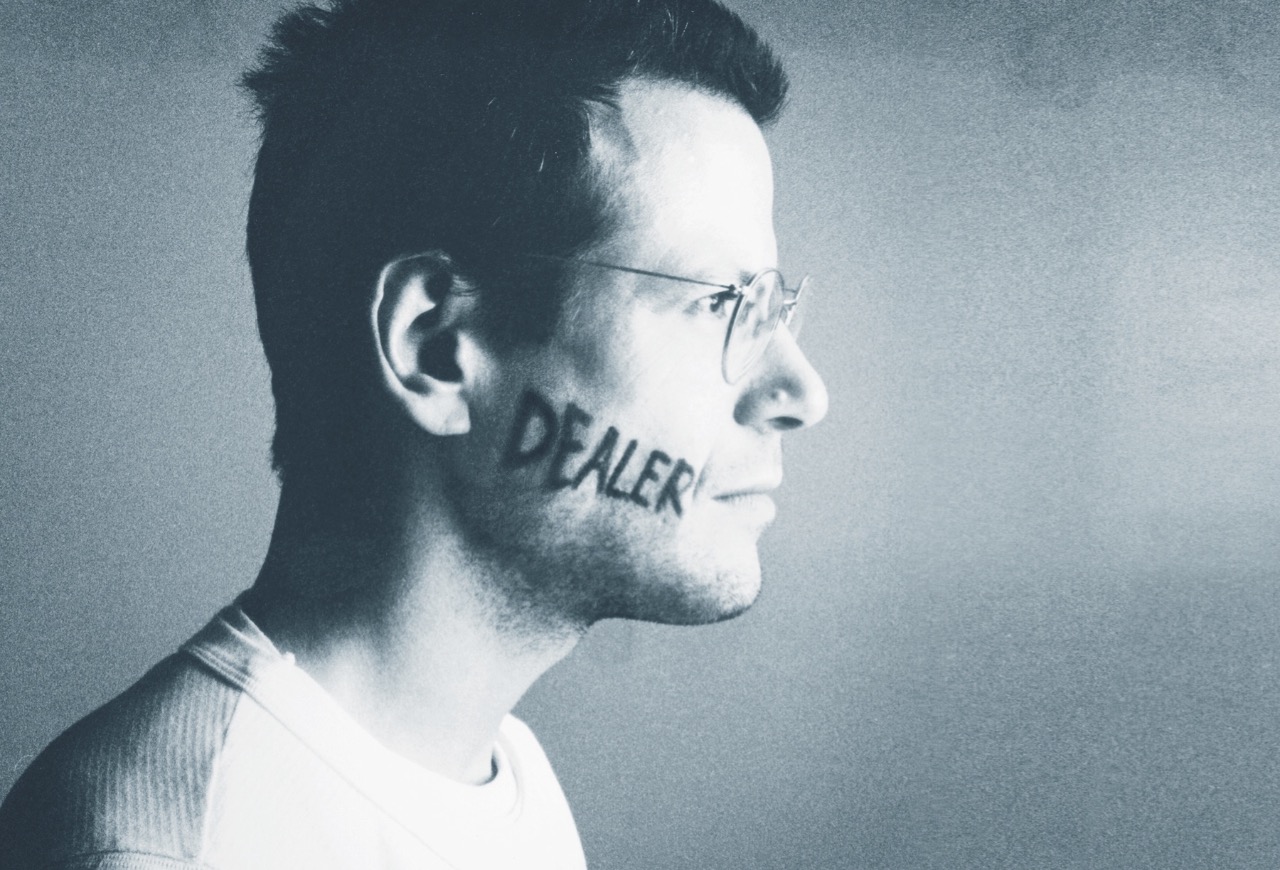
I often humorously call myself an “idiot savant” dealer. I bought art and visited galleries, attempting to sell the art to carve out a place for myself in the art world. However, my personality wasn’t suited for sales, and I had to come to terms with the fact that it wouldn’t work out the way I wanted. I never aspired to be an art dealer, but it seemed like the only route into the art world.
Simultaneously, I could teach anyone about post-war art off the street, but I recognized a gap in my knowledge when it came to pre-war art. That’s why I needed to learn art history, and the thought of returning to school was daunting.
So, I pursued it my way. I approached the New School for Social Research and expressed my desire to teach. However, my history of being nearly catatonic, overweight, and having a speech impediment as a child made this an unusual request. I stuttered and couldn’t even talk. I remember sitting in front of a dean and saying, “I want to teach a class on art, conceptual art history.”
He replied, “Well, you’ve never taken an art class, but you have a legal degree.” So I said, “That’s right,” and his response was, “You could teach six art classes, and we’ll see how that goes.”
Following that meeting, I became an adjunct professor at the school. I bought the generic book on New Art History by Johnson, the one everyone reads, and I would read three chapters before teaching them. I had to drink a beer beforehand because I was petrified, but I carried on like that. I have been teaching since 1992. Over the years, I’ve lectured at prestigious institutions like Yale, the Guggenheim, and the Smithsonian Museum, and I’ve taught for 12 to 13 years at the University of Zurich, as well as at the Art Institute of Chicago and all around the world. I teach to learn, and I write to give deeper meaning to the mundane tasks that sustain me. As soon as I discovered the art world, I felt compelled to pursue it. I was inspired by everything, from the Museum in Washington to Warhol and his exhibitions. I’ve always had an outsider mentality because I’ve never truly been on the inside. I’ve been doing this for more than 30 years now, so I’m more immersed than ever.
But back then, there were countless galleries in New York City, and I was only 27 years old. How could I contribute something unique when the world’s most extraordinary art galleries were already there?
That’s when I had an idea: since the world wasn’t as globalized in the 80s, I decided to travel.
I began visiting studios through connections, meeting artists through friends of friends. I’d purchase art, visit galleries and museums, and then bring it back to New York to sell it through Sotheby’s, Christie’s, and other dealers. Essentially, I was a dealer to dealers.
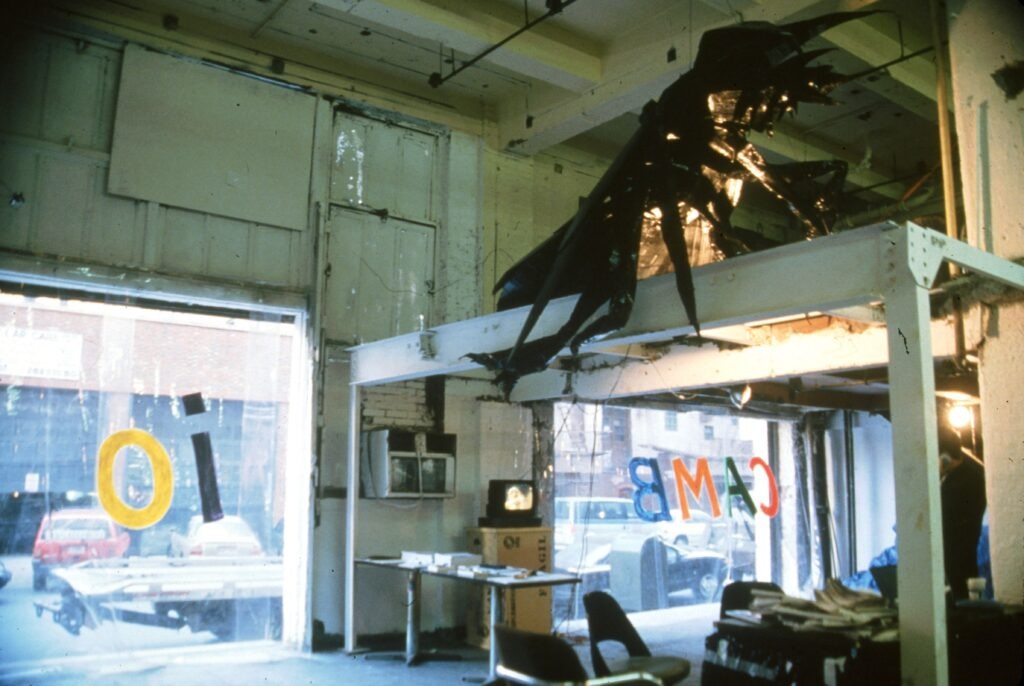
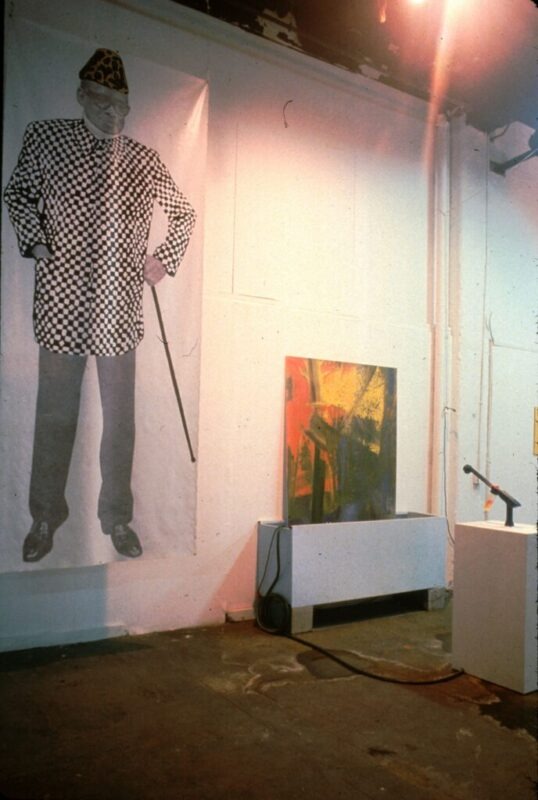
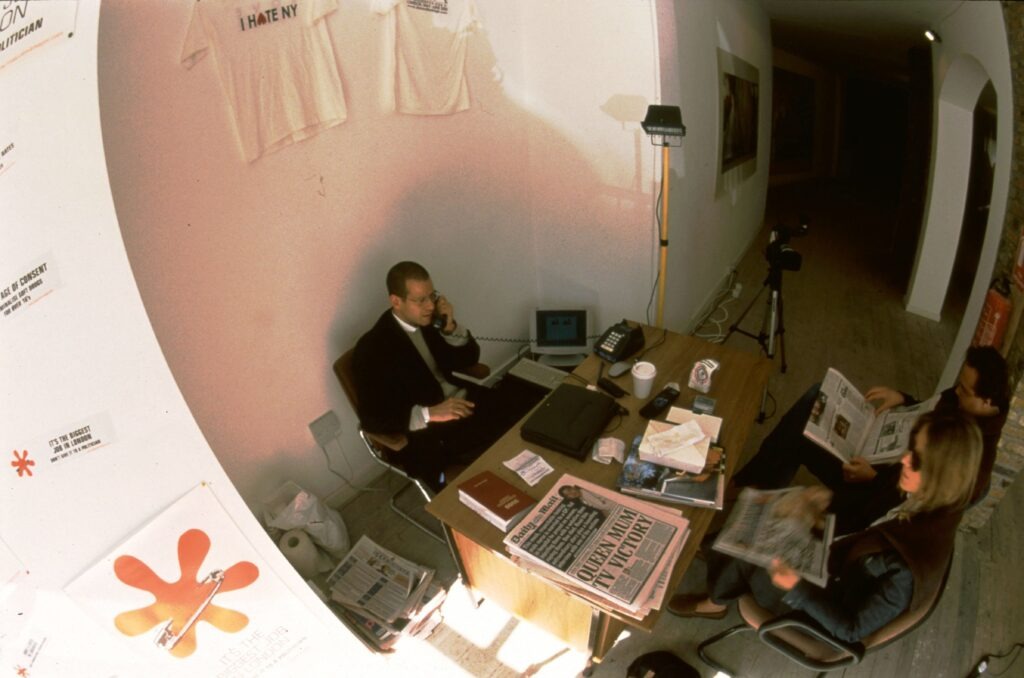
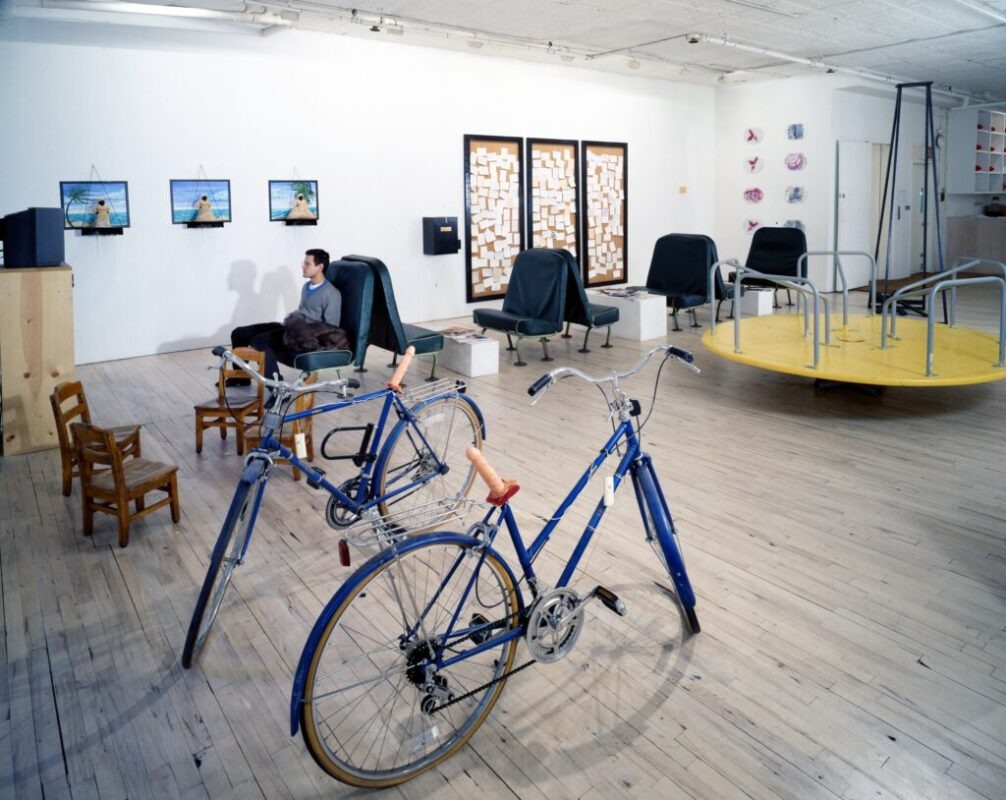
Later on, I thought it would be intriguing to curate exhibitions. In fact, we were doing Pop-Up Exhibitions before the term “Pop-Up” even existed.
During the deep recession from 1990 to 1996, I started securing exhibition spaces, often through bartering. Additionally, I began incorporating my own work into the shows. There’s no conflict of interest if you’re transparent, and that’s the approach I’ve taken, to some extent — though I won’t claim to be perfect.